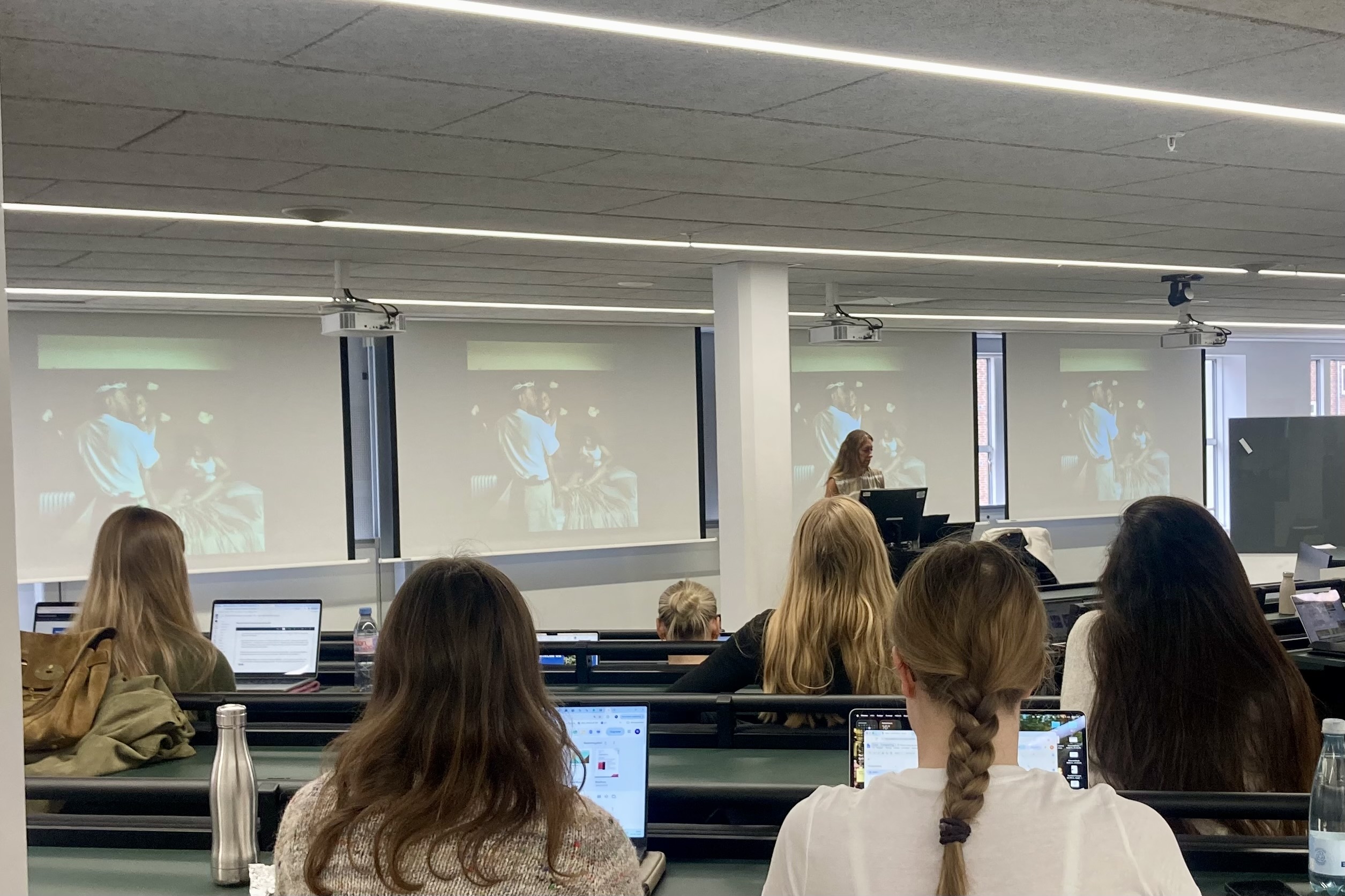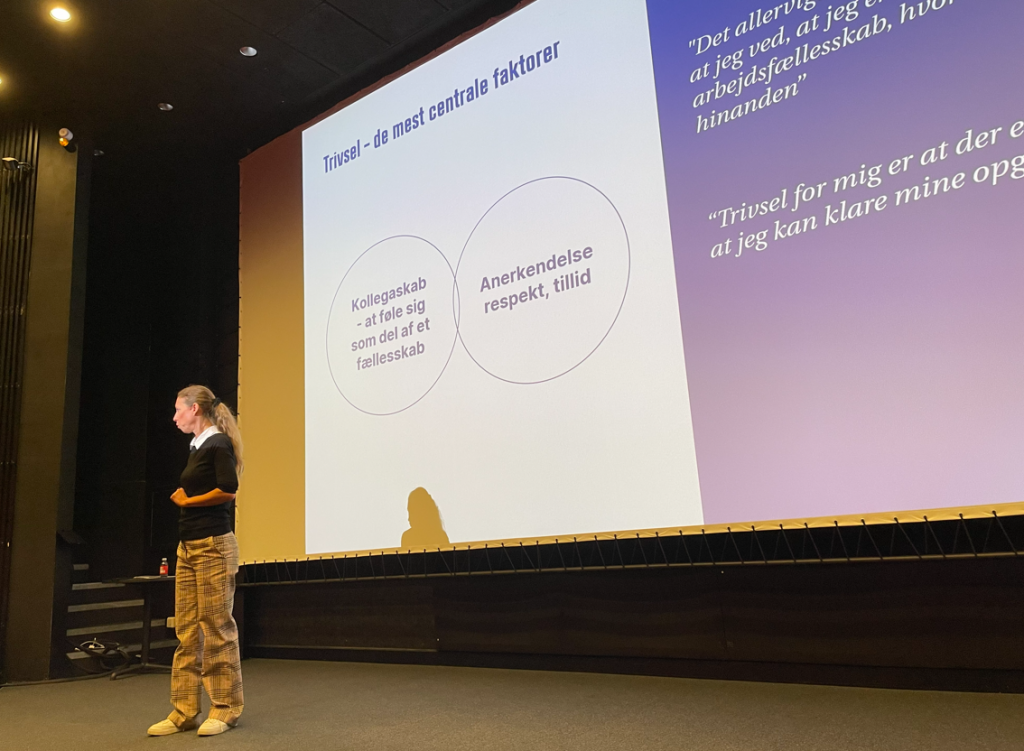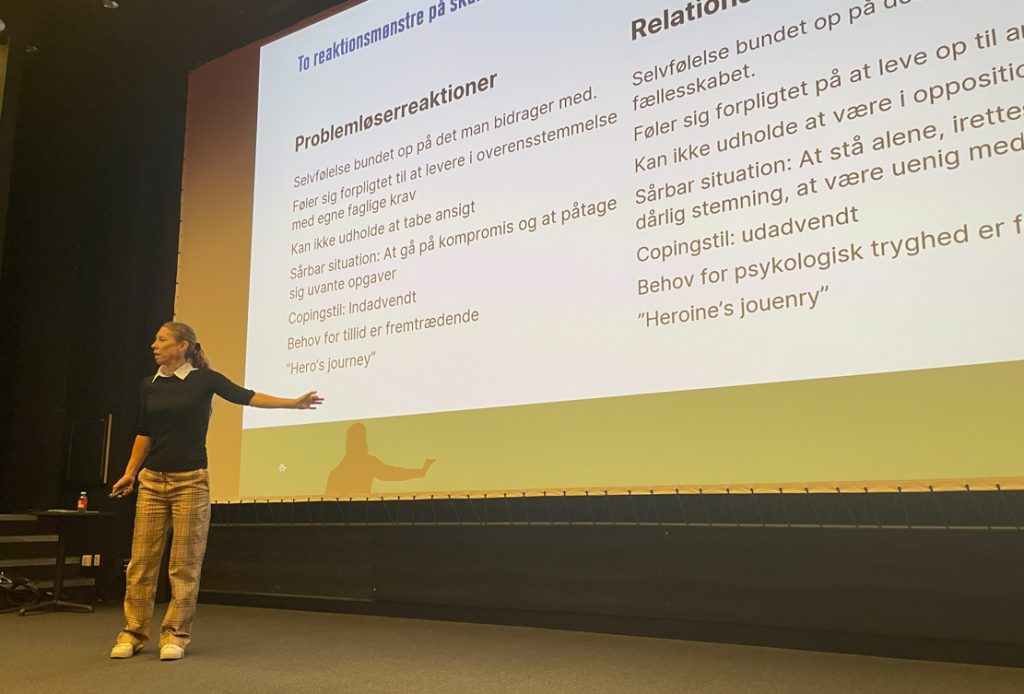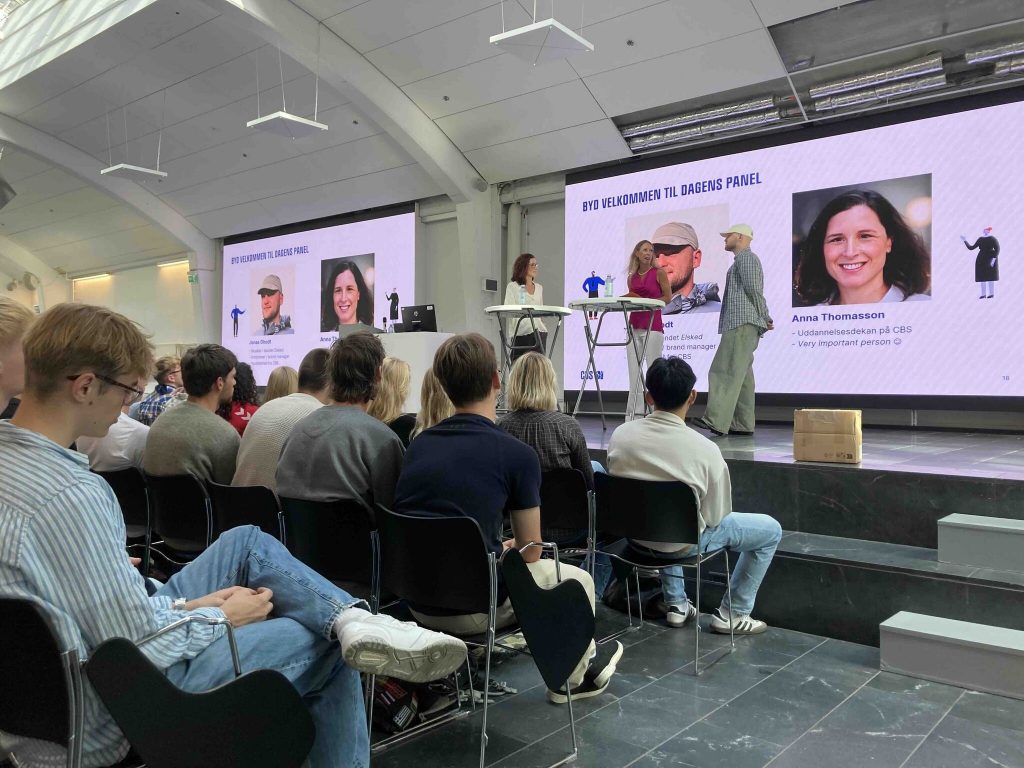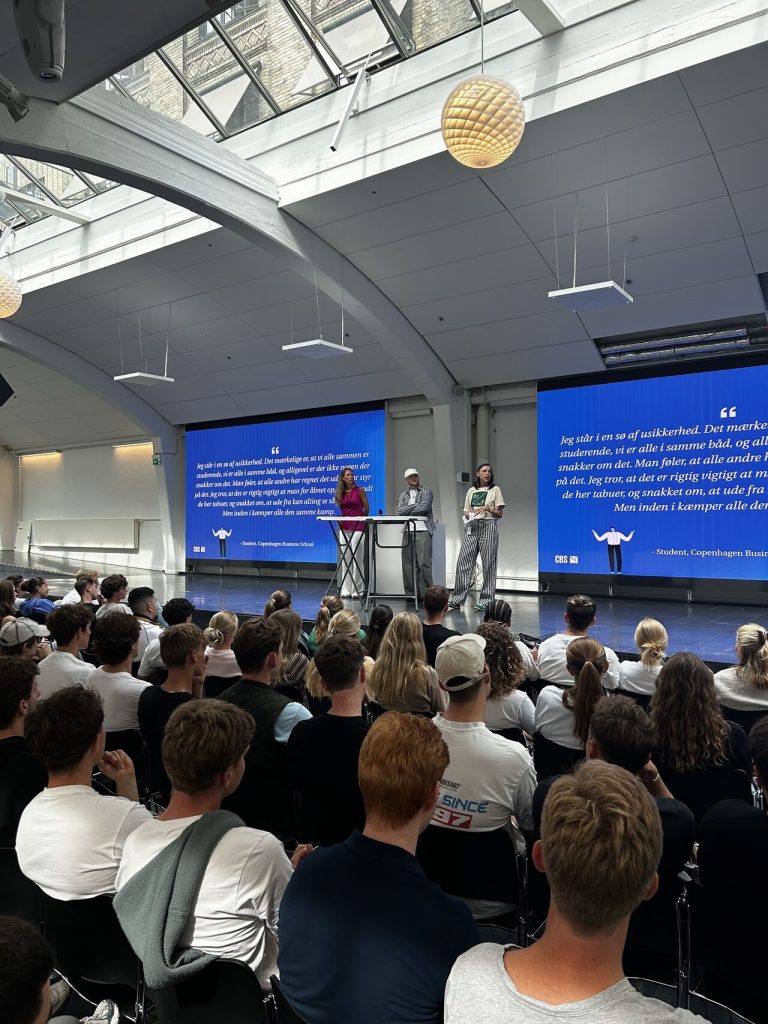
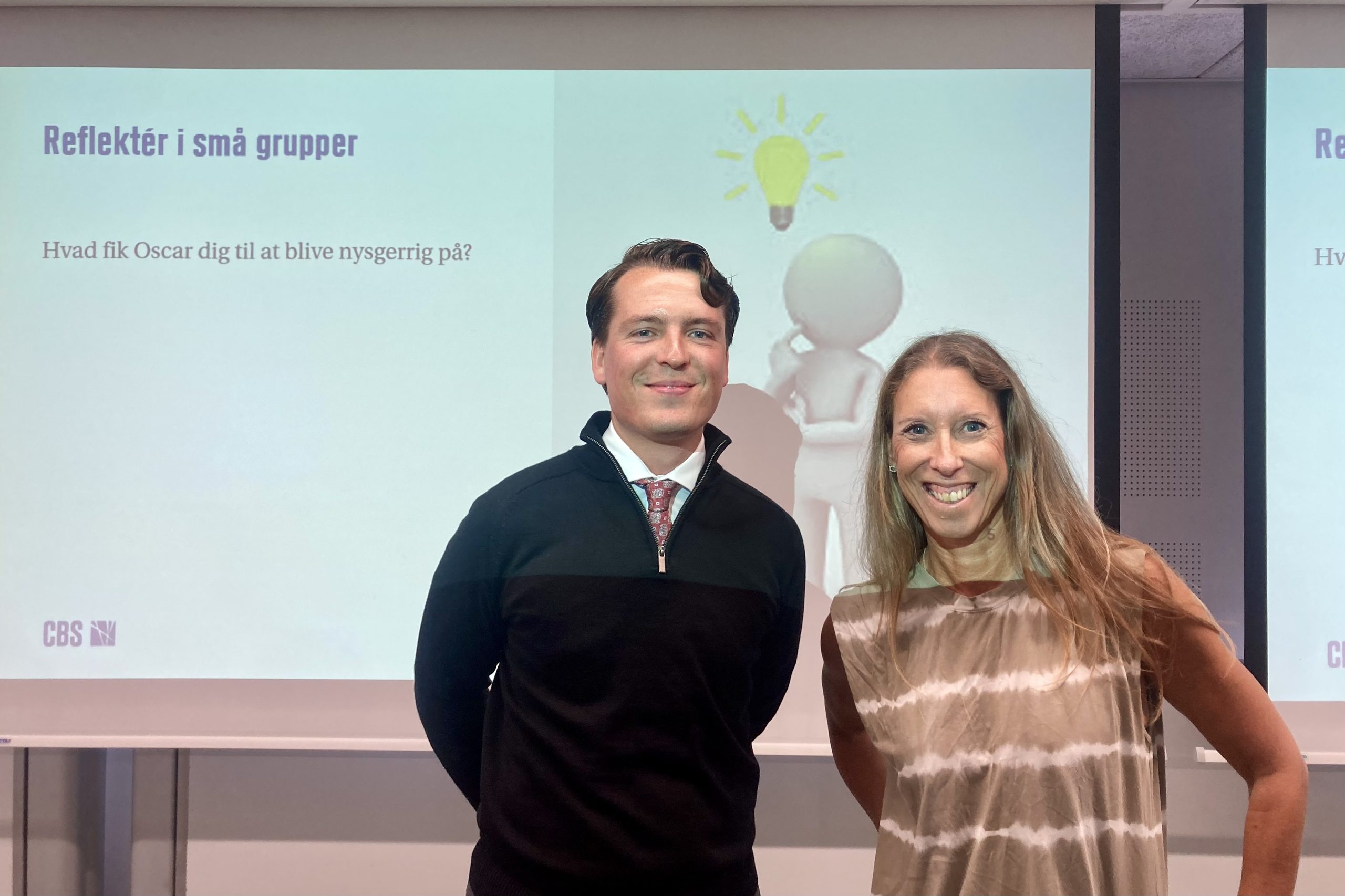
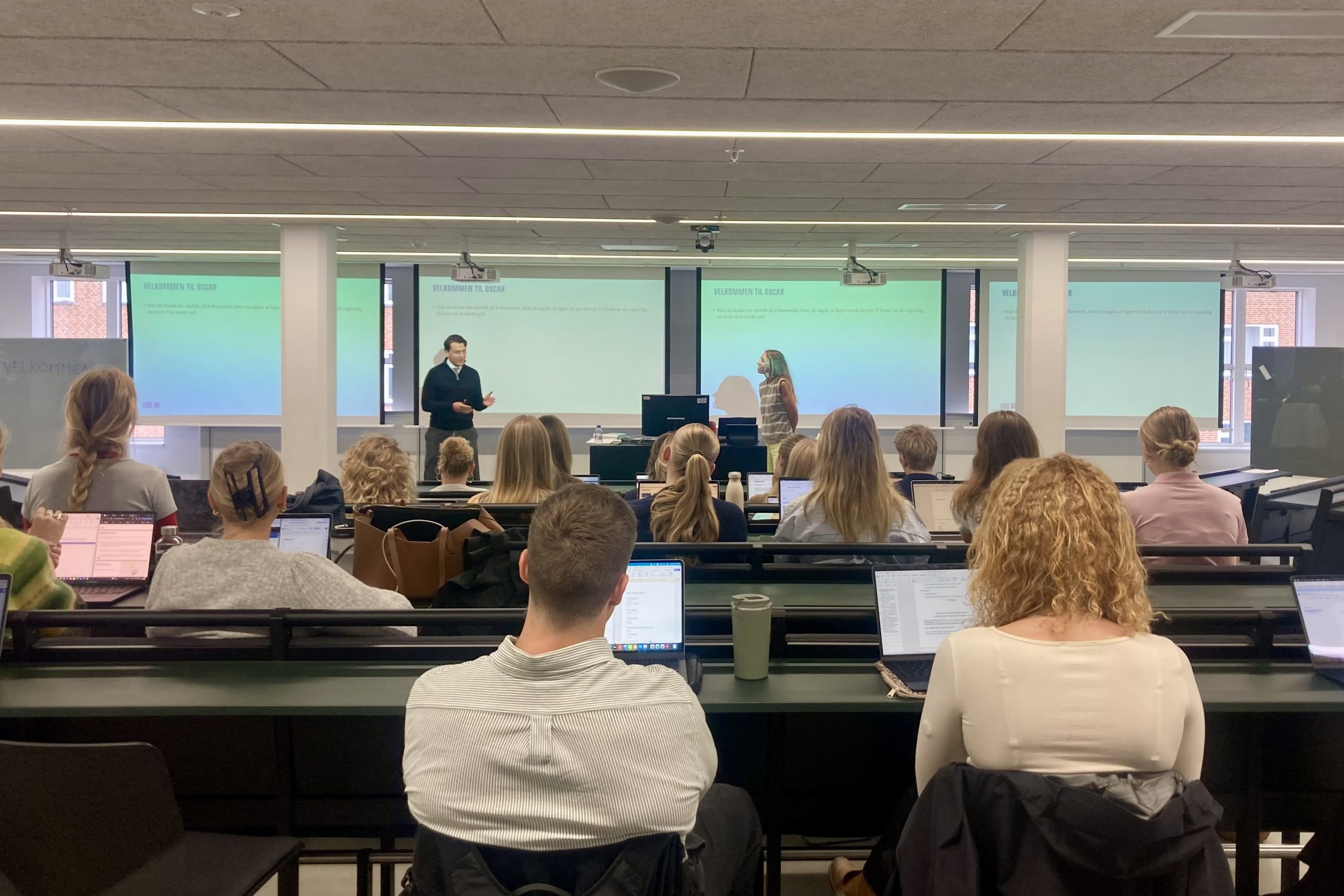
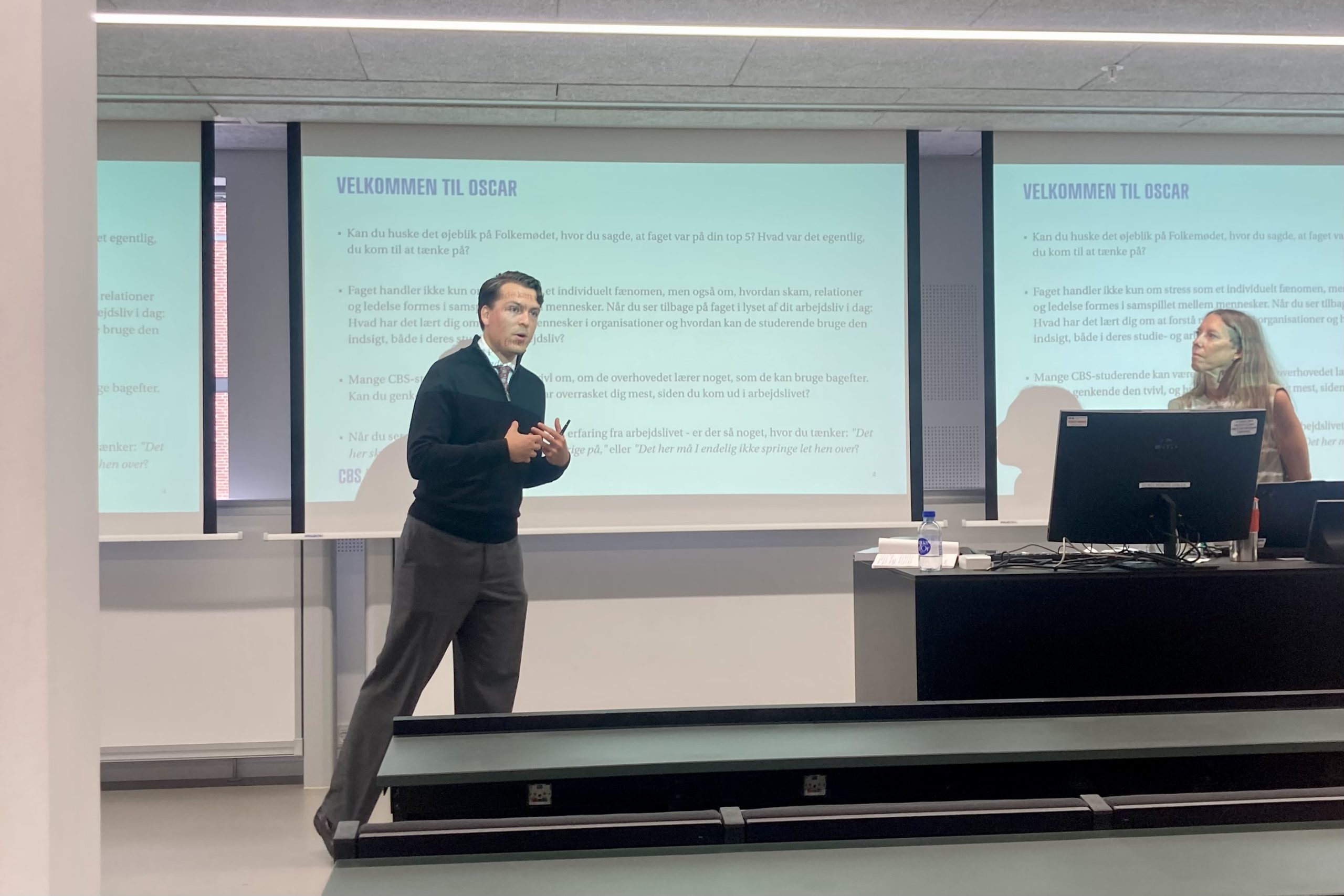
CBS alumni and management consultant Oscar visited our course, Stress, shame and leadership, to share the main points he took from the course four years ago and how he uses these today as a management consultant.
The power of seeing well-being from a bird’s eye view
“I really think it was the one of the greatest learnings from my time at CBS. To become aware and understand how stress and well-being is more than just an individual phenomenon, but rather is intertwined with organizational conditions and contradictory demands. I mean, the fact that two people can react differently to the same stressful situation is a clear signal to me that there is more than meets the eye when it comes to tackling stress. It also means that the same leadership response may not work for everyone. Leaders need to remain curious about what each person requires, while also paying attention to the relationships and organizational conditions surrounding the situation.”
Oscar continued to explain how the competence to recognize patterns has been a massive strength in his career after graduating from CBS. “The capacity to draw patterns between both employee and employer behavior as well as in the often counterproductive, contradictory demands that the broader organization put on its members, taking a bird’s eye view on the sensitive problems has been key to me.”
Confronting the paradox: when the idea of individual performance challenges organizational learning
Oscar went on to reflect on a central paradox in many of today’s organisations. The very systems designed to strengthen performance may inadvertently inhibit the openness upon which sustainable performance depends. If uncertainty, limitations, and concerns are reduced to signs of individual inadequacy, they are more likely to remain unspoken. As a result, organisations risk losing valuable insight into the conditions shaping both people’s well-being and ability to perform.
For Oscar, relational well-being therefore requires more than supporting individuals in managing pressure. It also depends on professional relationships in which difficult matters can be voiced and explored before they develop into larger problems. This requires leaders to be attentive not only to what people say, but also to the emotions and reactions that may signal tensions within their relationships or working conditions. He emphasized that leaders carry a particular responsibility for creating the conditions for such dialogue, while employees can contribute by leading upwards and bringing otherwise overlooked dynamics into view, enabling the organisation to learn and develop more sustainable ways of working.
Study groups is a great training ground for learning how to “choose me”
Reflecting on how he experienced similar situations during his studies, Oscar added: “You know the context of the study group and the classical situation of not meeting a deadline. Almost intuitively, we tend to point fingers at the one person who inevitably caused the delay – but what about all the surrounding stuff? How about asking questions like “did we plan in the right way? Did we built the right relationships and bonds between each other to be able to communicate well?” I think there is so much worth in trying to unfold the process and the surrounding factors before we evaluate the individual performance. The constant evaluation around us is very real, but if we fly up and get a greater perspective, we have a chance to understand ourselves better”
Interestingly, we started the class by listening to Kendrick Lamar’s song “Mirror” in which Kendrick reflects on all the conflicting demands and expectations he faces as both a superstar and a complex human. By the end of the song he says “sorry I didn’t save the world, my friend, I was too busy buildin’ mine up again” and then returns to a newfound self-understanding, repeating the chorus “I choose me, I’m sorry”. In the world of constant evaluation, young students and the newly employed risks taking responsibility for something that is structurally produced, but maybe our best chance at finding resolve is taking careful stock of all the conditions we are surrounded with and giving them a name?